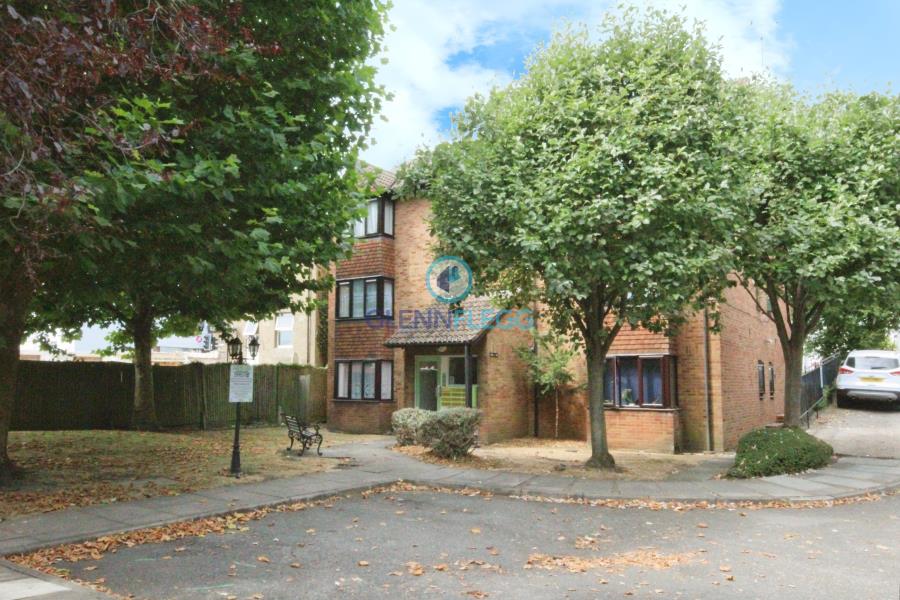
If you have been keeping half an eye on the property world lately, you will know it has been quite a ride. The years between 2021 and 2024 were genuinely difficult for a lot of renters — costs climbing faster than wages, properties disappearing within hours of listing, and a sense that the market had tipped so far in favour of landlords that tenants had very little room to manoeuvre. Burnham was not immune to any of that. But things are changing, and for anyone looking to rent in the area this year, the picture is considerably more encouraging than it was.
This is not a piece full of vague optimism. There are real, tangible shifts happening — in legislation, in local supply, and in how the application process works — and understanding them properly will put you in a much stronger position than most people searching for a home right now.
How the Local Market Is Actually Performing
Burnham rental trends in 2026 tell a story of stabilisation rather than decline. Prices have not nosedived, and anyone expecting bargains simply because the frenzy has cooled will be disappointed. What has changed is the pace and the pressure. The sharp annual increases that became almost routine over the previous few years have levelled off considerably, and the supply of properties to let in Burnham has quietly improved. More homes coming to market, combined with a slight easing in demand, means that the average tenant is no longer being asked to make a life-changing decision in forty-eight hours.
That might sound like a small thing, but it is not. When properties were vanishing almost overnight, people were making compromises they would not otherwise have made — taking on homes that did not quite suit them, agreeing to terms they had not properly read, or simply settling because the alternative was starting the whole exhausting process again. A bit more time in the market means a bit more power in the negotiation. Not unlimited power, but enough to ask questions, compare options, and make a decision you can actually stand behind.
Demand in Burnham remains solid. The town continues to attract buyers and renters relocating from London, drawn by the commuter links, the sense of community, and the fact that you can still get meaningfully more space for your money than you would closer to the city. That underlying appeal is not going anywhere, which is why the market has stabilised rather than softened dramatically. Landlords still have good reason to keep their properties well maintained and competitively priced, and tenants still have good reason to act reasonably promptly when something genuinely good comes up.
The Renters’ Rights Act and What It Actually Changes
There has been a lot of noise about the Renters’ Rights Act over the past year or so, and understandably — it represents the most significant overhaul of tenant protections in a generation. But a lot of the coverage has been either alarmist or so dense with legal language that ordinary renters have switched off before reaching the parts that actually matter to them. So here is a plain-English version of what has changed and why it is relevant to you.
The most talked-about change is the end of Section 21, often called the no-fault eviction. Under the previous system, a landlord could ask a tenant to leave without providing any specific reason, as long as the correct notice period was observed. For long-term tenants in particular, this was a source of genuine anxiety — you could be a model tenant, pay on time every month, look after the property impeccably, and still find yourself with a notice to quit simply because the landlord had decided to sell, or move a family member in, or had fallen out with the letting agent. That option is now gone. A landlord who wants to end a tenancy must cite a recognised legal ground for doing so, and those grounds are specific and limited. This gives renters a level of security that simply did not exist before, and it is a bigger deal than many people have yet fully appreciated.
The Act also tightens the rules around rent increases. Landlords are now restricted to one increase per twelve months, and the process for implementing it has been formalised. If you believe an increase is above what the local market justifies, you have a clearer and more accessible route to challenge it than you did previously. Renters’ Rights Act compliance is now something that serious letting agents in Burnham are actively working through with their landlords — updating tenancy agreements, revisiting processes, and making sure everything sits correctly under the new framework. If you encounter an agent who waves the legislation away or seems to have given it very little thought, that tells you something useful about how they operate more broadly.
There are also strengthened protections around property standards. Landlords are held to a more defined standard of maintenance, and tenants have a clearer path when something is not being addressed. This matters because one of the most common points of friction in any tenancy is getting repair work done promptly and without having to fight for it. The legislation does not solve every dispute before it happens, but it does shift the baseline expectations in a way that benefits tenants.
Putting Together an Application That Actually Stands Out
Even in a calmer market, the best properties to let in Burnham attract genuine competition. A well-presented application has always mattered, but in an environment where landlords have slightly more choice than they did a year ago, the gap between a strong application and a weak one becomes more significant, not less.
The practical groundwork is straightforward. Pull your references together before you start viewing rather than scrambling for them after a successful visit. A previous landlord who can confirm you paid reliably and looked after the property is worth more than almost anything else on an application. An employer reference or proof of stable income runs a close second. Identification, recent bank statements, and proof of address are all standard requirements — having them organised in advance simply means you can move when you need to rather than losing a day chasing paperwork.
If your circumstances are slightly outside the ordinary — self-employment, a recent change of job, a gap in tenancy history — be upfront about it from the start. A letting agent worth their salt will help you frame your situation clearly and honestly rather than trying to obscure it. Landlords are human beings making a judgement call about who they trust with their property, and a straightforward explanation paired with good references is almost always more persuasive than an application that raises questions it does not answer.
Something a lot of people overlook is the covering note. Not all agents pass them on, and not all landlords read them, but for private landlords with a personal attachment to their property, a brief and genuine account of who you are and why you want to live there can linger in the memory when the decision is a close call between two broadly similar applicants.